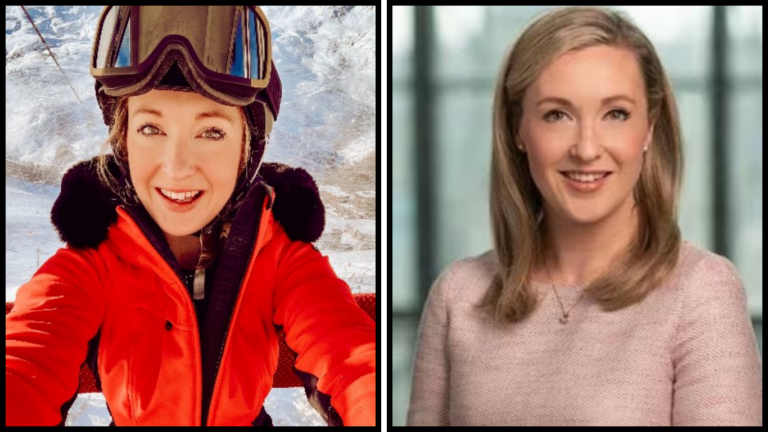
A factual look at public information regarding Elizabeth Rizzini and disability rumours.
Online searches for Elizabeth Rizzini disability have increased in recent years, largely because people are curious about the well-known British weather presenter. However, despite the growing interest, there is very little credible evidence supporting claims that Elizabeth Rizzini has any publicly disclosed disability. This lack of information has led to speculation and rumors, fueling debates on social media platforms where users share their opinions and theories. Many fans admire Rizzini for her professionalism and engaging presentation style, which only amplifies the intrigue surrounding her personal life.
In an age where public figures often share their struggles and triumphs, the absence of such revelations from Rizzini has prompted some to question whether she prefers to maintain a clear boundary between her public persona and private matters. Ultimately, the fascination with her life highlights a broader societal interest in the narratives of individuals with disabilities, whether real or perceived.
In today’s digital world, rumours often spread faster than verified information. A single social media post or online discussion can quickly become a widely searched topic, even when there are no official statements behind it. That appears to be the case here.
This article examines the facts, separates verified information from speculation, and explains why respecting personal privacy is just as important as satisfying public curiosity.
Quick Facts
| Topic | Information |
|---|---|
| Full Name | Elizabeth Rizzini |
| Profession | British Weather Presenter and Meteorologist |
| Known For | Television weather forecasts in the UK |
| Public Disability Statement | None publicly confirmed |
| Reliable Evidence | No verified reports confirming a disability |
| Current Status | Continues working in television broadcasting |
Why Are People Searching for Elizabeth Rizzini Disability?
Search trends do not always reflect reality. Sometimes thousands of people search for the same question simply because others are searching for it.
Several reasons may explain why this keyword has become popular:
- Curiosity generated by online discussions.
- Misinterpretation of television appearances.
- Social media speculation without evidence.
- Search engine autocomplete suggestions.
- Readers wanting to verify whether online rumours are true.
None of these reasons automatically confirms that the information is accurate.
Is Elizabeth Rizzini Disabled?
Based on publicly available and reliable information, there is no official confirmation that Elizabeth Rizzini has a disability.
She has not publicly announced any disability through interviews, official biographies, or verified social media accounts. Likewise, reputable British news organisations have not reported such information. This absence of disclosure has led to speculation and assumptions among the public, often overshadowing her accomplishments and contributions.
Despite this, she continues to be a prominent figure in her field, demonstrating resilience and dedication that inspire many. The focus on her professional achievements rather than her personal struggles reflects a broader societal trend of valuing capability over adversity, prompting discussions about the representation of disability in mainstream media.
Without confirmation from Elizabeth Rizzini herself or a trustworthy source, any claims about her health remain speculation rather than fact.
The Importance of Trustworthy Sources
One of the biggest problems on the internet is that repeated information is often mistaken for accurate information.
When researching public figures, it is helpful to ask:
- Has the person confirmed it?
- Have respected news organisations reported it?
- Is there documentary evidence?
- Are multiple reliable sources saying the same thing?
If the answer is “no,” the claim should be treated carefully.
For topics involving health or disability, accuracy is especially important because false information can easily spread and unfairly affect someone’s reputation.
Understanding Privacy for Public Figures
Being a television presenter does not mean every aspect of someone’s personal life becomes public knowledge.
Many broadcasters choose to keep their medical history private, and that decision deserves respect.
Unless someone voluntarily shares health-related information, audiences should avoid making assumptions based on appearance, movement, speech, or internet rumours.
Privacy remains a personal right regardless of someone’s profession.
Why Rumours Spread So Quickly Online
Search engines often reflect what people are curious about rather than what is true.
Several factors contribute to the spread of rumours:
Social Media Discussions
Posts without evidence are frequently shared thousands of times before anyone checks the facts.
Search Suggestions
Autocomplete recommendations can make people believe there is an established story even when none exists.
Clickbait Headlines
Some websites use sensational titles to attract visitors without providing reliable information.
Repeated Speculation
Once enough websites repeat an unsupported claim, many readers mistakenly assume it has been verified.
Elizabeth Rizzini’s Professional Career
Elizabeth Rizzini has built a respected career as a weather presenter in the United Kingdom.
She is recognised for:
- Delivering weather forecasts on television.
- Explaining changing weather conditions in a clear and accessible way.
- Maintaining a professional broadcasting style.
- Earning recognition for her work in meteorology.
Most public coverage of Elizabeth Rizzini focuses on her broadcasting career rather than her personal health.
Should Online Rumours Be Trusted?
Not every widely searched topic represents factual information.
When reading articles online:
- Look for named sources.
- Avoid anonymous claims.
- Check publication dates.
- Compare multiple reputable websites.
- Be cautious of articles that provide no evidence.
Responsible readers verify information instead of relying solely on headlines.
Disability Awareness Without Assumptions
Disability is an important topic that deserves thoughtful discussion. However, it should never be attached to an individual without reliable evidence or their own confirmation.
Respectful reporting means:
- Avoiding assumptions.
- Using verified facts.
- Protecting individual privacy.
- Correcting misinformation when necessary.
This approach benefits readers while maintaining journalistic integrity.
Common Misconceptions
| Myth | Reality |
|---|---|
| Elizabeth Rizzini has confirmed a disability. | No verified public confirmation exists. |
| Online rumours prove the claim. | Rumours alone are not evidence. |
| Search popularity confirms facts. | Popular searches simply reflect public interest. |
| Television appearances reveal medical conditions. | Medical conditions cannot be determined from appearances. |
How to Identify Reliable Information
Whenever you research public figures, follow these best practices:
- Read articles from established news organisations.
- Look for official interviews or statements.
- Verify information across multiple trusted sources.
- Avoid relying solely on social media discussions.
- Check whether evidence is actually presented.
These habits help separate facts from speculation.
Frequently Asked Questions
Has Elizabeth Rizzini confirmed having a disability?
No. There is currently no verified public statement confirming that Elizabeth Rizzini has a disability.
Why do people search for “Elizabeth Rizzini disability”?
The keyword appears to be driven by internet curiosity, search trends, and online speculation rather than confirmed information.
Is there reliable evidence supporting these claims?
No credible evidence or official reporting currently confirms that Elizabeth Rizzini has a disability.
Should readers believe online rumours?
It is always better to rely on verified information from trustworthy sources instead of unsupported internet speculation.
Final Thoughts
The growing interest in Elizabeth Rizzini disability demonstrates how quickly online curiosity can transform into a popular search topic. However, popularity should never be confused with factual accuracy.
At present, there is no publicly confirmed evidence that Elizabeth Rizzini has disclosed a disability. Responsible reporting requires acknowledging the difference between verified facts and online speculation. Readers should rely on trustworthy sources, respect personal privacy, and avoid spreading claims that lack credible support.
By approaching sensitive topics carefully and prioritising evidence over rumours, we create a more accurate and respectful online environment one that benefits both readers and the individuals being discussed.
Read more : PlayMyWorld Latest News: Exciting Changes Every Player Should Know
About the Author