
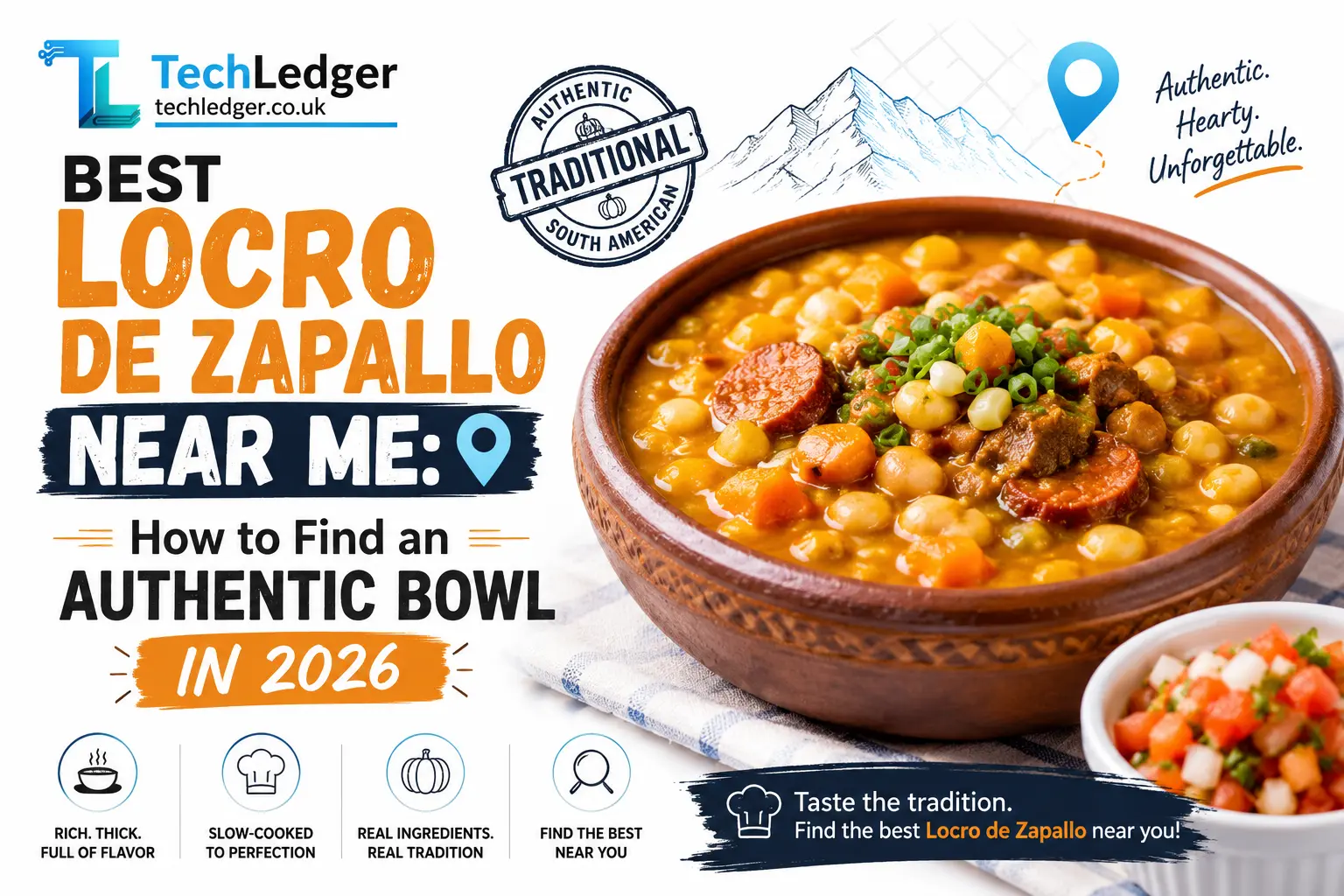
Best Locro de Zapallo Near Me is more than just a search phrase it’s the first step toward finding a rich, authentic South American stew that’s been slow-cooked with care rather than rushed for convenience. Unfortunately, not every restaurant delivers the traditional experience. There’s a specific kind of disappointment that comes from ordering locro de zapallo and receiving a thin, watery pumpkin soup with little more than a sprinkle of paprika to imitate flavour. Instead of the creamy, hearty texture created by hours of simmering squash, corn, and beans, you’re left with a bland dish that lacks the depth, warmth, and comforting taste that make authentic locro so memorable.
It’s the kind of letdown that stays with you, like the inviting aroma of spices that promised a satisfying meal but delivered only a pale imitation of a cherished classic. Knowing what to look for and where to search can make all the difference between wasting your money on an average bowl and discovering a truly authentic locro de zapallo that’s worth every spoonful.
You envision a hearty dish, rich and velvety, with chunks of pumpkin mingling with tender vegetables, all bathed in a robust broth that sings of home and hearth. Instead, you’re left staring into a shallow bowl, the soupy liquid reflecting your unfulfilled expectations, and your taste buds are left yearning for the vibrant flavors and textures that should have been.
If you’ve been searching for the best locro de zapallo near me and keep landing on places that don’t get it right, you’re not imagining things a lot of restaurants cut corners on this dish because it’s slow to make and easy to fake.
This guide is here to fix that. I’ll walk you through what actually makes locro de zapallo good, how to spot the real thing on a menu before you order, and how to use local search tools to find a spot near you that’s actually worth the trip.
What Is Locro de Zapallo, Exactly?
Locro de zapallo is a thick, slow-cooked stew built around winter squash (zapallo), corn, and beans, popular across Argentina, Bolivia, Peru, and parts of Chile. Depending on the region, it might include pork, chorizo, tripe, or beef, though vegetarian versions built purely around squash and corn are common too especially in Andean households.
The dish is often enriched with spices such as cumin and paprika, which enhance its earthy flavors, while a drizzle of olive oil or a sprinkle of fresh herbs like cilantro can add a vibrant finish. Traditionally served during communal gatherings or festive occasions, locro de zapallo is more than just a meal; it represents the warmth of hospitality and the deep-rooted agricultural heritage of the Andes. Families often gather around the pot, sharing stories and laughter as they enjoy this hearty dish, making it a cherished symbol of unity and tradition in the region.
The dish rewards patience. Real locro simmers for hours until the squash breaks down into a creamy base and the corn softens without turning mushy. That’s the texture test that separates a kitchen that respects the recipe from one that’s rushing it out for a lunch crowd.
In Argentina specifically, locro is closely tied to national holidays like Día de la Independencia (July 9) and Día de la Revolución de Mayo (May 25), so quality often spikes around those dates and so does demand, which is worth knowing if you’re planning a visit.
What Actually Makes a Locro de Zapallo “The Best”
Before you go hunting for a restaurant, it helps to know what you’re judging. Here’s what separates a forgettable bowl from a genuinely great one. First and foremost, consider the quality of the ingredients; fresh, locally sourced components can make all the difference in flavor and texture. Next, take note of the balance of flavors—each element should complement rather than overpower the others.
Additionally, presentation plays a significant role; a dish that is thoughtfully arranged can elevate the dining experience before you even take your first bite. Finally, don’t underestimate the importance of the chef’s technique; skilled preparation can transform simple ingredients into a memorable meal, leaving a lasting impression long after the last bite.
| What to Check | Signs of a Great Locro | Red Flags |
|---|---|---|
| Texture | Thick enough to hold a spoon upright; squash mostly broken down into the base | Thin, brothy, more like a soup than a stew |
| Corn | Soft but still has some bite; not mushy or missing entirely | Canned corn kernels tossed in at the last minute |
| Color | Deep golden-orange from real squash and slow cooking | Pale or artificially orange from added color/paprika alone |
| Toppings (salsa criolla) | Fresh, chopped, made that day — onion, tomato, chili, oil | None offered, or a bottled hot sauce substitute |
| Meat (if included) | Falls apart easily, well-integrated flavor | Rubbery, clearly boiled separately and dropped in |
| Serving temp | Served very hot, often in a clay or heavy bowl | Lukewarm, served in a thin bowl that cools it fast |
If a place nails most of these, you’ve likely found a kitchen that actually knows what it’s doing. From the aroma of fresh herbs to the perfect sizzle of a well-seasoned pan, every element contributes to a dining experience that feels both intentional and inviting. The chefs behind the scenes, with their meticulous attention to detail, transform simple ingredients into culinary masterpieces, showcasing not just skill but passion.
It’s in these kitchens that creativity flourishes, where classic techniques meet innovative twists, and every dish tells a story that resonates with the diner. Whether you’re savoring a delicate appetizer or indulging in a decadent dessert, you can sense the care and expertise that elevate the meal from ordinary to extraordinary.
How to Actually Find the Best Locro de Zapallo Near You
Search engines are decent at this, but only if you search smart. Here’s what works better than just typing “locro near me”:
1. Search with intent modifiers. Try “locro de zapallo casero” (homemade) or “locro argentino tradicional” instead of the generic term restaurants that use these phrases on their own menus tend to take the dish more seriously.
2. Check Google Maps reviews for the dish by name. Don’t just look at star ratings. Search within reviews for “locro” specifically people who loved (or hated) a specific dish usually say so by name, and that’s more reliable than an overall rating built on burgers and empanadas.
3. Look for seasonal availability. Many authentic spots only serve locro in cooler months or around national holidays, since it’s a heavy, slow dish. If a restaurant serves it year-round on a huge menu, it may be a shortcut version made in bulk and reheated.
4. Prioritize Argentine, Bolivian, or Peruvian-owned spots over generic “Latin fusion” restaurants. This isn’t a hard rule, but regional specialists are statistically more likely to hold onto the traditional slow-cook method rather than adapting it for speed.
5. Call ahead during peak season. Around independence day celebrations, the best locro spots often sell out or require pre-orders. A quick phone call saves you a wasted trip.
My Honest Take
If I had to pick one signal that matters more than the rest, it’s the salsa criolla on the side. Kitchens that bother to make a fresh, chopped onion-tomato-chili topping every day are almost always the same kitchens taking the actual stew seriously.
It’s a small detail, but it speaks volumes about the care and intention behind each dish. When a chef takes the time to craft that vibrant salsa, they’re not just adding a garnish; they’re enhancing the entire experience, elevating the rich, slow-cooked flavors of the stew to new heights.
It’s a reminder that cooking is as much about the little things as it is about the big, bold flavors simmering in the pot. Each bite becomes a celebration of freshness, a contrast to the hearty warmth of the stew, and a testament to the kitchen’s dedication to authenticity. In a world where shortcuts are all too common, that commitment to quality shines through, making every meal feel like a genuine labor of love.
It’s a small, cheap thing to skip so when a place doesn’t skip it, that tells you something about how they run the rest of the kitchen too. Price is a weaker signal than people assume. Some of the best bowls of locro come from unglamorous family-run spots, not the highest-priced restaurant on the block.
Frequently Asked Questions about Best Locro de Zapallo Near Me
Is locro de zapallo the same as regular locro? Not quite. “Locro” broadly refers to a South American corn-and-squash stew with many regional versions. “Locro de zapallo” specifically emphasizes the squash (zapallo) as the dominant ingredient, and is often lighter and more vegetable-forward than meat-heavy versions like locro criollo.
Is locro de zapallo vegetarian? It can be. Many traditional Andean versions are meat-free by default, using squash, corn, beans, and sometimes potatoes. Argentine locro criollo versions usually include pork or beef, so it’s worth asking if you need a vegetarian option.
What’s the best time of year to find good locro? Late fall through winter in the Southern Hemisphere (roughly May through August), and especially around May 25 and July 9 in Argentina, when demand and quality both tend to peak.
How can I tell if a locro was made fresh that day? Ask. Most kitchens that make it fresh are proud to say so, since it takes real effort. A hesitant or vague answer is often a soft sign it was made in a larger batch earlier in the week.
About the Author