Stahlwille Tools
Stahlwille Tools are designed for people who expect accuracy, reliability, and long-term performance from their equipment. Whether the job involves tightening a critical aircraft fastener, repairing a vehicle, maintaining industrial machinery, or organizing a professional workshop, the quality of the tool can directly affect the final result. A poorly fitting socket or inaccurate torque wrench can damage components, slow down work, and create avoidable safety risks. That is why experienced technicians often view professional tools as working assets rather than simple accessories.
Founded in Germany in 1862, Stahlwille has evolved from a traditional forging business into a manufacturer of hand tools, torque equipment, tool storage systems, and digital workshop solutions. Its catalogue includes spanners, ratchets, sockets, pliers, screwdrivers, torque wrenches, calibration equipment, and organized tool sets. The company serves industries ranging from automotive repair and manufacturing to aviation, rail, wind power, agriculture, and skilled trades. This guide explains what makes Stahlwille Tools distinctive, which product categories deserve attention, and what buyers should consider before investing.
1. The History and Engineering Philosophy Behind Stahlwille Tools
The history of Stahlwille Tools began when Eduard Wille founded the company in Wuppertal, Germany, in 1862. The business developed within a region known for metalworking and tool production, giving it access to generations of manufacturing knowledge. Although modern equipment and computer-controlled processes now play an important role, traditional forging expertise remains central to the brand. Stahlwille describes its products as combining German forging practices with modern manufacturing and digital technology. Many of its core products continue to be made in Germany under controlled production and quality-inspection processes.
This long manufacturing history matters because professional hand tools depend on more than attractive finishes or familiar brand names. The composition of the steel, accuracy of the forging process, heat treatment, machining tolerances, surface preparation, and final inspection all influence how a tool performs. A spanner must grip a fastener properly without spreading under pressure. A ratchet requires strong internal parts while remaining compact enough for restricted spaces. Torque equipment must produce repeatable measurements under real workshop conditions. Stahlwille builds its reputation around controlling these details rather than treating tools as disposable products.
The company has also expanded beyond conventional hand-tool manufacturing. Modern workshops increasingly require documented tightening, calibration records, organized storage, and tools designed for highly regulated environments. Stahlwille addresses these requirements through mechanical and electronic torque systems, testing equipment, calibration software, and customized storage solutions. This combination of traditional manufacturing and digital measurement helps explain why the brand is used in both ordinary maintenance work and technically demanding industries.
Another part of the company’s approach is developing tools around professional applications. An aviation technician has different priorities from an agricultural mechanic, even when both use ratchets, sockets, and spanners. Aviation maintenance may require lightweight kits, precise tool control, and protection against foreign object damage. Agricultural work may demand strong, portable equipment that can tolerate regular field use. Instead of relying on one universal solution, Stahlwille offers different tool arrangements, drive sizes, torque ranges, and storage formats for particular working environments.
2. Essential Stahlwille Hand Tools for Workshops and Technicians
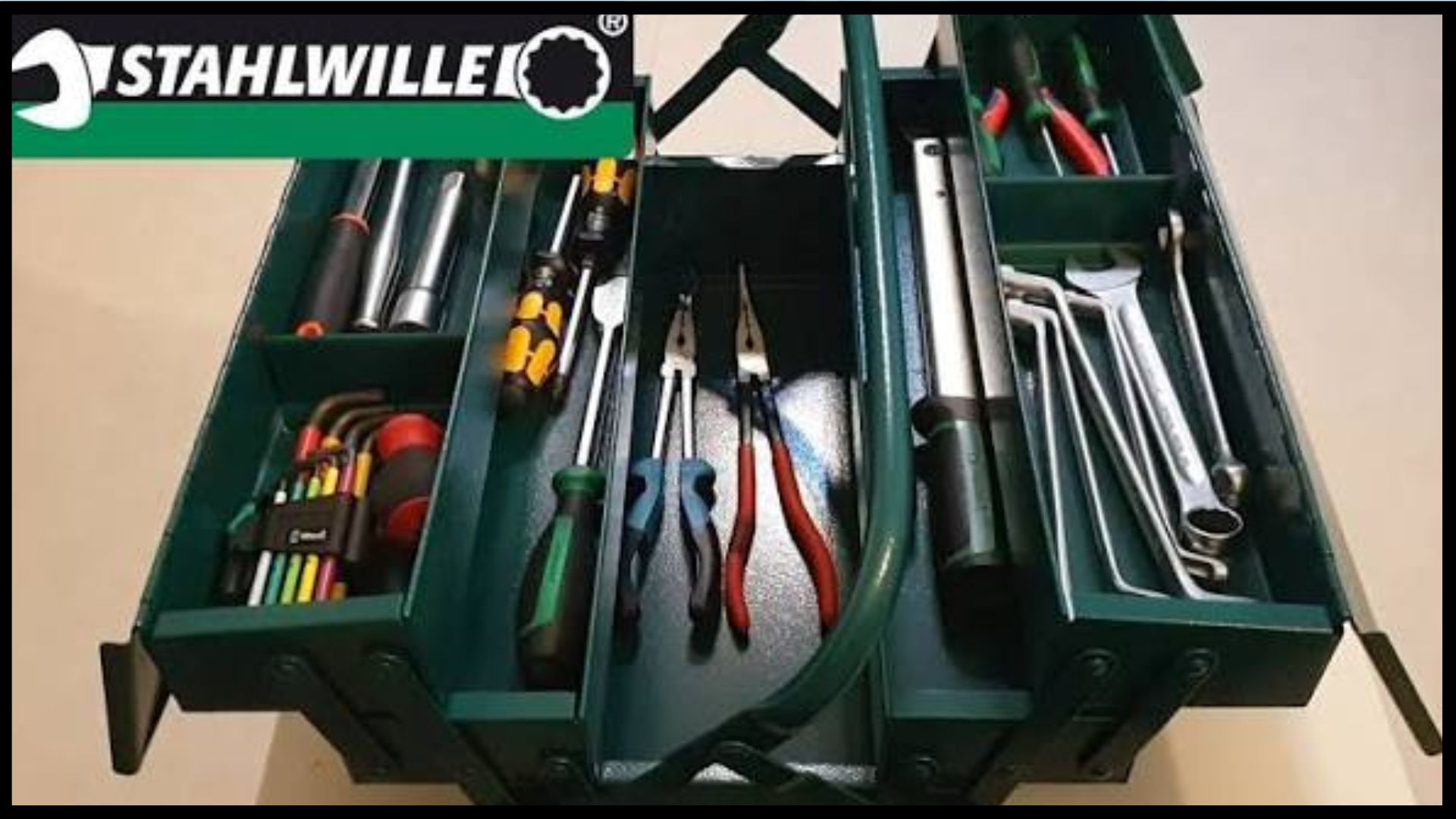
Stahlwille Tools cover the main categories required in a mechanical workshop, including combination spanners, open-ended spanners, ring spanners, ratchets, sockets, pliers, screwdrivers, bits, pullers, hammers, and striking tools. These products are available individually and in coordinated sets. This gives technicians the option to build a collection gradually or purchase a prepared kit for a particular trade. The broad range is especially useful for organizations that want consistent tool quality across several workstations.
The brand’s spanners are among its most recognizable products. Professional spanners need accurate jaw geometry because a loose or poorly shaped contact area can concentrate force on the corners of a fastener. That increases the chance of rounding the head, particularly when dealing with tight or corroded components. Correct sizing, balanced construction, and a comfortable working profile help the technician apply force more confidently. Stahlwille produces numerous designs to suit standard fastening, confined access, and specialized industrial applications.
Sockets and ratchets form another major part of the Stahlwille Tools range. Different drive sizes allow users to match the equipment to the fastener and expected load. Smaller drives are convenient for compact assemblies, while larger drives are better suited to heavier mechanical work. Some Stahlwille components use the company’s QuickRelease system, which locks connected parts into position and releases them through a button mechanism. The system is intended to reduce the risk of sockets, extensions, or insert tools separating unintentionally during use.
Tool choice becomes even more important when electrical systems are involved. Stahlwille offers VDE-insulated tools intended for work on electrical installations. According to the manufacturer, selected VDE products are protectively insulated in accordance with DIN EN IEC 60900 and designed for work on lines up to 1,000 volts AC. However, insulated tools do not replace electrical training, isolation procedures, voltage testing, or appropriate protective equipment. Users should always verify the exact rating and certification of an individual product before using it.
A sensible workshop collection should be based on recurring jobs rather than the number of pieces in a set. A large kit may look impressive, but it offers poor value if half the tools never leave their compartments. Buyers should identify the drive sizes, fastener standards, spanner sizes, screwdriver profiles, and plier types they regularly need. A smaller, application-specific Stahlwille set can be more efficient than an oversized general collection, especially when storage space and tool accountability matter.
3. Stahlwille Torque Wrenches and Precision Tightening Technology
Torque technology is one of the strongest areas within the Stahlwille Tools catalogue. A torque wrench enables a fastener to be tightened to a defined value instead of relying entirely on the operator’s judgment. Correct torque can be essential for wheel assemblies, engines, gearboxes, structural components, machinery, and aircraft systems. Too little torque may allow movement or loosening, while excessive force can stretch the fastener, damage threads, distort a component, or cause failure.
Stahlwille offers mechanical torque wrenches, electronic models, torque screwdrivers, insert tools, torque testers, and calibration systems. Its well-known MANOSKOP range includes mechanical designs for controlled tightening. Certain MANOSKOP models use a low-wear bending-beam release system. Unlike conventional spring-loaded mechanisms that may remain under tension while stored, the measuring element in these models is loaded primarily during use. For applicable models, this design means the wrench does not need to be returned to its lowest or zero setting after every job. Users should still follow the instructions supplied with their specific model.
Electronic SENSOTORK equipment adds features suited to advanced fastening procedures. Depending on the model, these tools may support torque and angle measurement, multiple units, guided menu operation, programmable sequences, and documentation of tightening results. Digital records can be valuable in production, aviation maintenance, quality-controlled assembly, and other situations where a business must demonstrate that a fastening operation was completed within specified limits.
QuickRelease technology also appears across relevant torque products. Insert tools or sockets lock into place and can be removed intentionally using the release control. This provides convenience during tool changes while helping prevent accidental separation. In an aircraft hangar or other foreign-object-sensitive environment, retaining connected pieces can support safer tool handling. Nevertheless, every socket, extension, and insert must still be checked for condition and compatibility before work begins.
Calibration remains necessary even when a torque wrench comes from a respected manufacturer. Accuracy can be affected by frequency of use, overloading, impacts, improper storage, environmental conditions, and normal wear. Stahlwille supplies torque testers and calibration systems, while its TorkMaster software supports measurement records, tool histories, and the generation of test or calibration documentation. Calibration intervals should be determined by the applicable standard, workplace procedure, usage level, and importance of the fastening operation—not by guesswork alone.
4. Tool Storage, Organization, and Safety in Professional Environments
A professional tool system is not complete unless users can store, transport, and account for every item. Stahlwille Tools can be paired with tool trolleys, mobile workbenches, cases, boxes, and fitted storage inlays. Organized storage helps technicians find the correct tool quickly, protects equipment from unnecessary damage, and makes missing items easier to notice. These advantages can improve productivity even when the tools themselves remain unchanged.
The company’s Tool Control System uses shaped inlays with dedicated positions for individual tools. A technician can inspect the tray visually and identify a space without checking every item against a written list. This is particularly valuable in aviation and other controlled environments where a misplaced socket, bit, or spanner could become a foreign object hazard. Tool control also supports shift changes because incoming staff can confirm whether a set is complete before accepting responsibility for it.
Organization has an important efficiency benefit as well. Time spent searching through mixed drawers is time taken away from productive work. Properly arranged sets allow the technician to return each item to a known location. They may also reduce accidental duplication because purchasing managers can see what equipment is already present. For mobile service teams, a fitted case prevents tools from moving around during transportation and makes it easier to carry a task-specific selection.
Storage conditions affect service life. Tools should be cleaned before being placed back in their compartments, particularly after contact with water, chemicals, brake dust, grease, or corrosive materials. The storage area should remain reasonably dry, and damaged inlays or drawer mechanisms should be repaired. Precision instruments deserve extra attention: torque wrenches should not be thrown into general drawers where impacts can affect their mechanisms. Electronic equipment should be stored according to its manual, with batteries and environmental conditions considered where applicable.
When selecting storage, buyers should think about workflow rather than appearance alone. A fixed workshop may benefit from a large trolley or mobile workbench, whereas an aircraft maintenance team may prioritize a lightweight case with immediate visual tool control. Field mechanics may require compact, weather-conscious transport. The most useful storage system is the one that keeps the necessary equipment secure, visible, accessible, and properly protected in the environment where it will actually be used.
5. How to Choose, Use, and Maintain Stahlwille Tools
Choosing Stahlwille Tools should begin with a clear assessment of the intended application. Buyers need to consider metric or imperial fasteners, expected torque values, available working space, drive size, electrical hazards, documentation requirements, and whether the tools will remain in a workshop or travel between locations. A product designed for general automotive servicing may not meet the control requirements of aircraft maintenance, while an advanced electronic torque system may be unnecessary for occasional non-critical repairs.
Compatibility deserves close attention. A socket must match both the fastener and the drive system. A torque wrench must cover the required value within its specified operating range. Insert tools, adapters, and extensions can influence how force is applied, especially when their geometry changes the effective working length. Users should consult the manufacturer’s instructions before combining components or applying correction calculations. Selecting the correct configuration is safer than assuming every physically connected accessory will produce an accurate result.
Authenticity and after-sales support should also influence the purchase decision. Professional buyers should use an authorized distributor or another verifiable supplier that provides clear product identification, documentation, and warranty information. This is particularly important for torque equipment, where calibration records and servicing options may matter as much as the initial purchase. Stahlwille provides repair, calibration, technical support, and spare-parts services, although availability can differ by product and country.
Daily maintenance is generally straightforward. Hand tools should be wiped clean, inspected for wear, and stored in dry conditions. Ratchets should be checked for smooth engagement, while sockets must be removed from service if they show cracks, deformation, or excessive wear. Insulated tools require careful visual inspection because damaged insulation can compromise protection. Users should never modify a tool, grind a socket, add improvised extensions, or use a hand socket with an impact wrench unless the product is specifically rated for impact operation.
The value of Stahlwille Tools depends on the working environment and frequency of use. Their purchase price may be higher than that of entry-level alternatives, but professional users often evaluate tools through accuracy, downtime, comfort, replacement frequency, and service support. A durable tool that performs reliably for years may deliver better overall value than several inexpensive replacements. However, the brand alone cannot guarantee good results. Correct selection, trained use, regular inspection, and appropriate calibration remain essential.
Conclusion
Stahlwille Tools combine a manufacturing history dating back to 1862 with modern developments in torque measurement, calibration, digital documentation, and controlled storage. The range extends from everyday spanners and sockets to specialized electronic torque systems and application-specific tool kits. This breadth allows individual technicians, repair businesses, manufacturers, and highly regulated industries to select equipment suited to their actual work.
The strongest reason to consider Stahlwille is not simply that the tools are associated with German manufacturing. Their practical appeal lies in precise construction, professional product variety, controlled fastening solutions, and support for organized working methods. Buyers should compare specifications carefully, choose the correct product for each application, and protect the investment through responsible use and maintenance. When those decisions are made properly, Stahlwille Tools can become dependable long-term equipment rather than occasional workshop purchases.
Frequently Asked Questions
1. Where are Stahlwille Tools made?
Many core Stahlwille products are manufactured in Germany, including tools produced at the company’s facilities around Wuppertal. Manufacturing origin may vary across the complete group catalogue, so buyers should verify the information shown for the specific item.
2. Are Stahlwille Tools suitable for professional mechanics?
Yes. The range is primarily designed for professional and demanding technical applications, including automotive servicing, manufacturing, aviation, rail, agriculture, energy, and skilled trades.
3. What types of tools does Stahlwille manufacture?
The catalogue includes spanners, sockets, ratchets, pliers, screwdrivers, torque wrenches, torque screwdrivers, testers, calibration systems, tool sets, trolleys, workbenches, boxes, and specialized storage solutions.
4. What is the Stahlwille QuickRelease system?
QuickRelease is a locking mechanism that helps prevent compatible sockets, extensions, or insert tools from separating unintentionally. The connected component is released deliberately by pressing the appropriate button.
5. Do Stahlwille torque wrenches need to be reset after use?
Certain MANOSKOP models with a low-wear bending-beam mechanism do not require resetting to zero after use. This does not apply automatically to every torque wrench, so the instructions for the exact model must be followed.
6. How often should a Stahlwille torque wrench be calibrated?
The correct interval depends on use frequency, workplace policy, applicable standards, tool condition, and the critical nature of the work. Calibration may also be required after overloading, a significant impact, or a suspected accuracy problem.
7. Are Stahlwille Tools appropriate for aviation maintenance?
Stahlwille offers aviation-oriented tools, lightweight service kits, electronic torque equipment, QuickRelease components, and Tool Control System storage designed to support efficient maintenance and foreign-object prevention.
8. Does Stahlwille produce insulated electrical tools?
Yes. The company offers VDE-insulated products for electrical applications. Users must confirm the rating of each item and follow proper isolation, testing, training, and personal-protection procedures.
9. How can buyers avoid counterfeit Stahlwille Tools?
Purchase from an authorized or verifiable distributor, check product numbers and packaging, request proper documentation, and be cautious when prices are far below normal professional-market levels.
10. Are Stahlwille Tools worth the price?
They can be a worthwhile investment for professionals who value precision, durability, ergonomics, calibration support, and long service life. Value ultimately depends on choosing equipment that matches the user’s actual workload and technical requirements.
Read moer : From Data to Decisions: How Smart Analytics Drives Better Business Success
About the Author